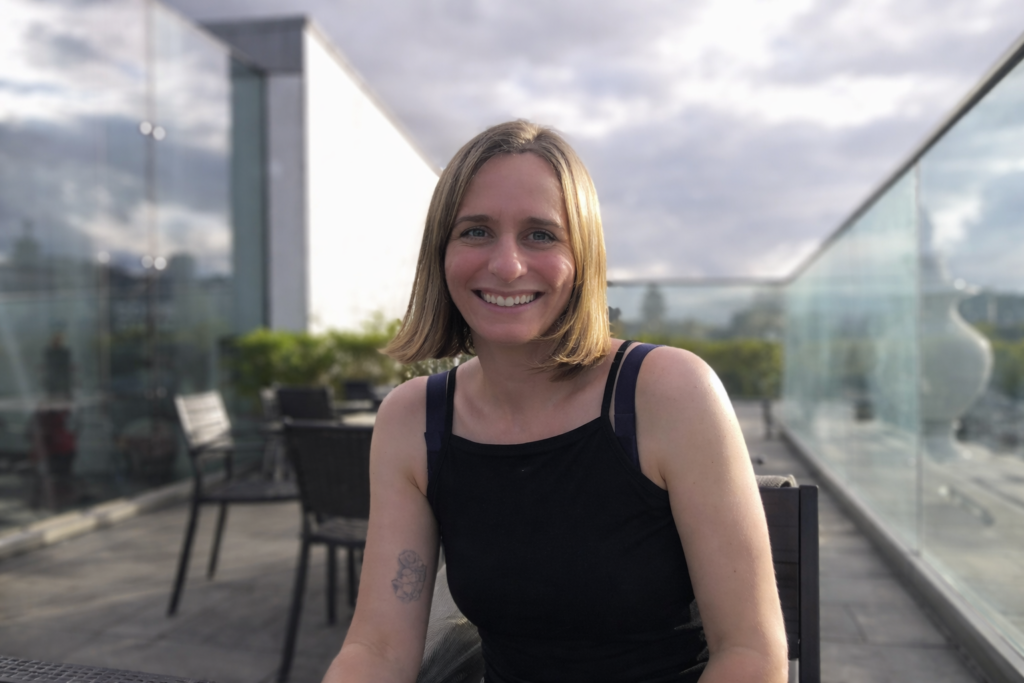
Product Owner · Dublin
I translate between engineers and the business.
Product decisions. Data. Trade-off. After 20 years at the intersection of all three, I write about what actually works — not what looks good on a framework diagram.
+19.3%
gross profit via margin initiatives
+20%
booking funnel conversion through CRO
28
European websites migrated and improved
What I write about
Three lenses. One point of view.
Every post lives at the intersection of product decisions, data, and the humans who have to act on both.
Roadmaps, prioritisation, and the art of saying no clearly.
Real PO work from inside an agile engineering team. How decisions get made, what governance actually looks like, and why most prioritisation frameworks miss the point.
How I use AI as a PO — without the hype.
Day-to-day AI use in product work. Specific tools, specific tasks, honest assessments of what works and what doesn’t. Including running this blog with an AI agent.
Turning behavioural data into product decisions.
Matomo, GA4, experimentation, dataLayer. What the numbers are actually telling you, and how to turn that into something engineering will build.
Latest writing
Recent posts
-

The Mental Load of Meal Planning — and How I Removed It
The week’s meals aren’t hard to plan. Any one week is trivially easy. Fifty-two of them, while tracking three people’s food preferences, a rotating set…
-

Make the Agent Show Its Tools
Before I send Cowork a task that ends in a WordPress post, I do one thing first: I check that the WordPress MCP tool is…
-

Before I Plan Content, I Ask Claude These Four Questions
I treat douli.com as a product. That means it has a backlog, planning cycles, and a pre-planning data ritual — the same discipline I apply…